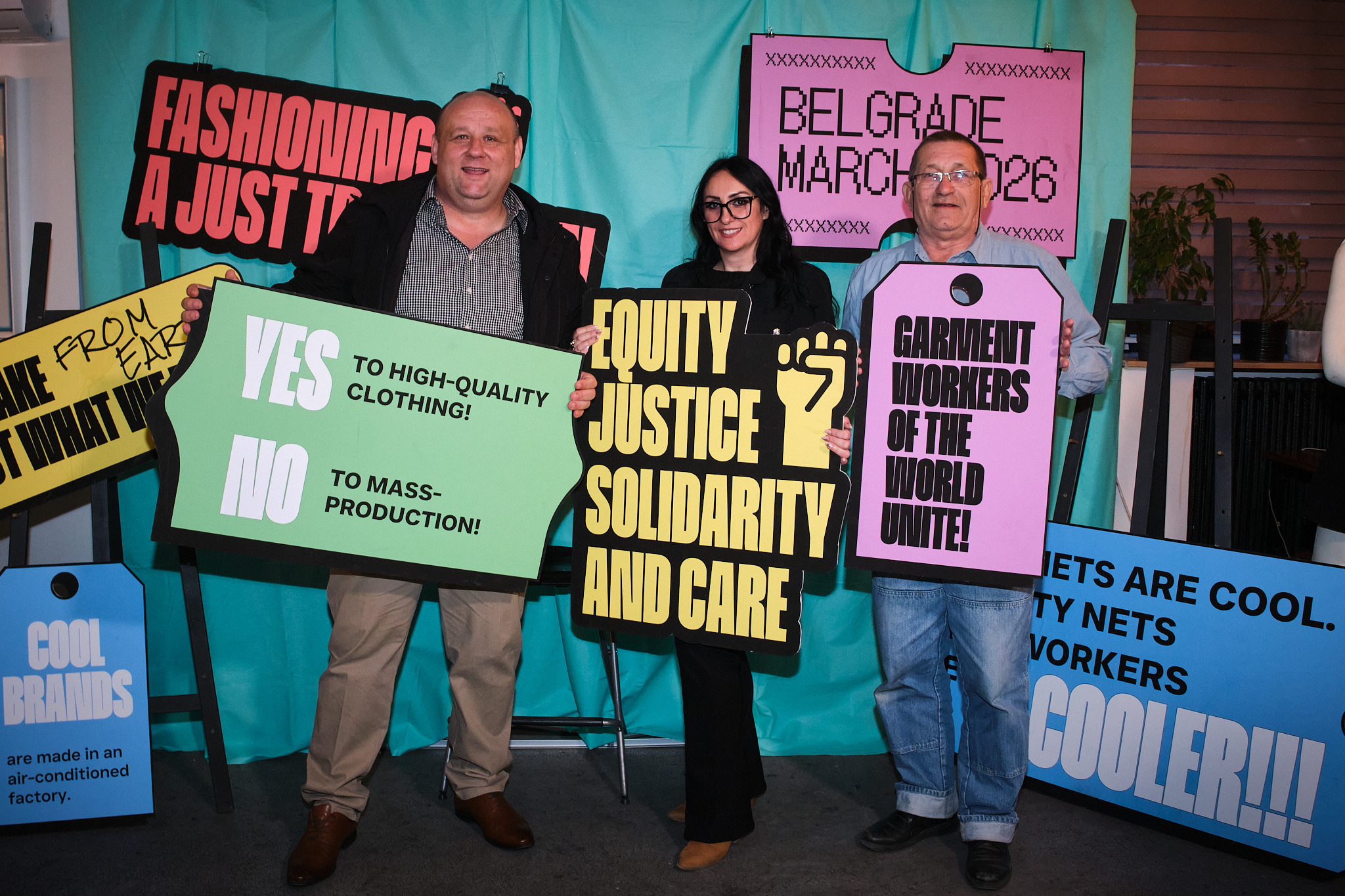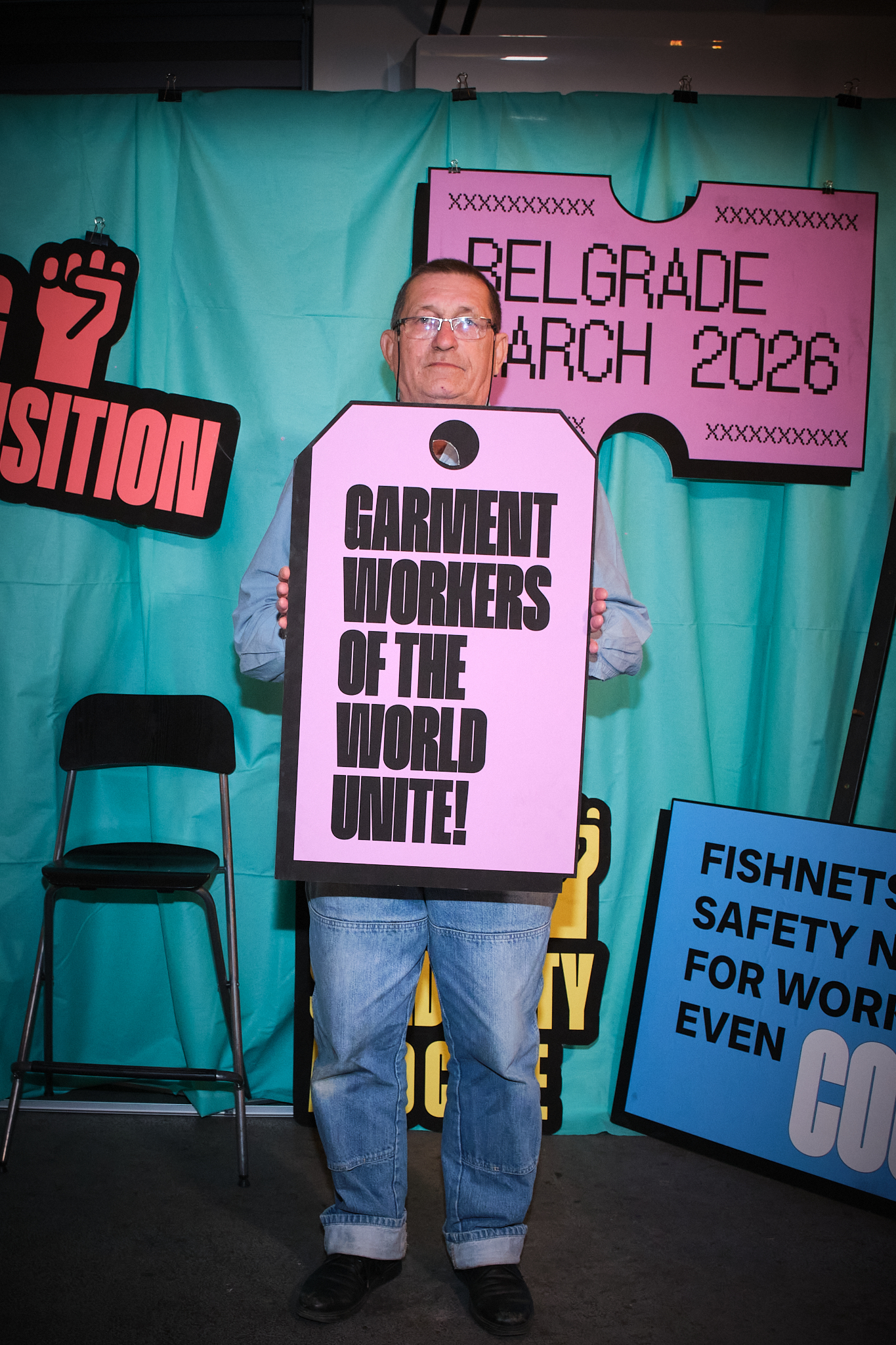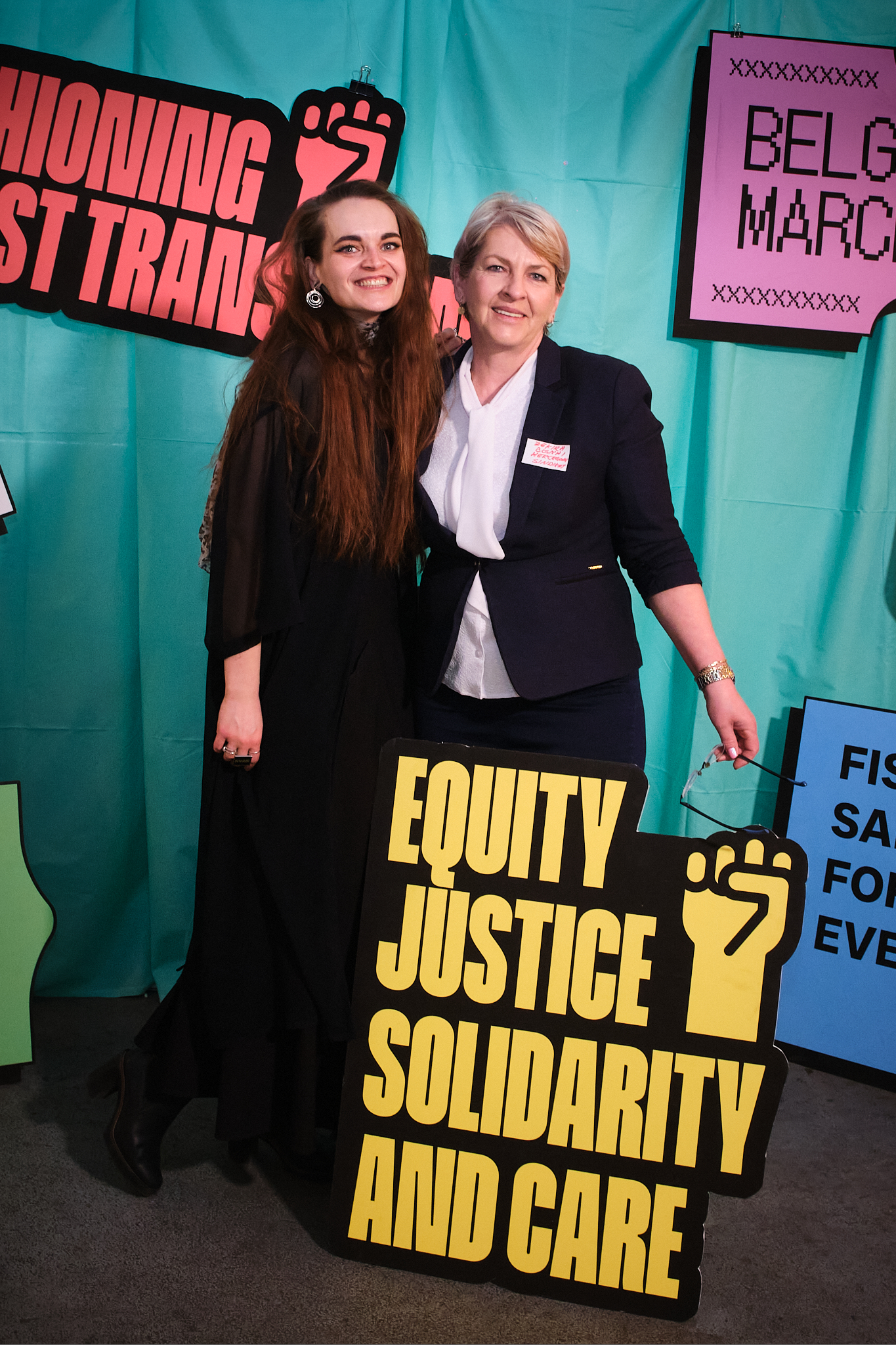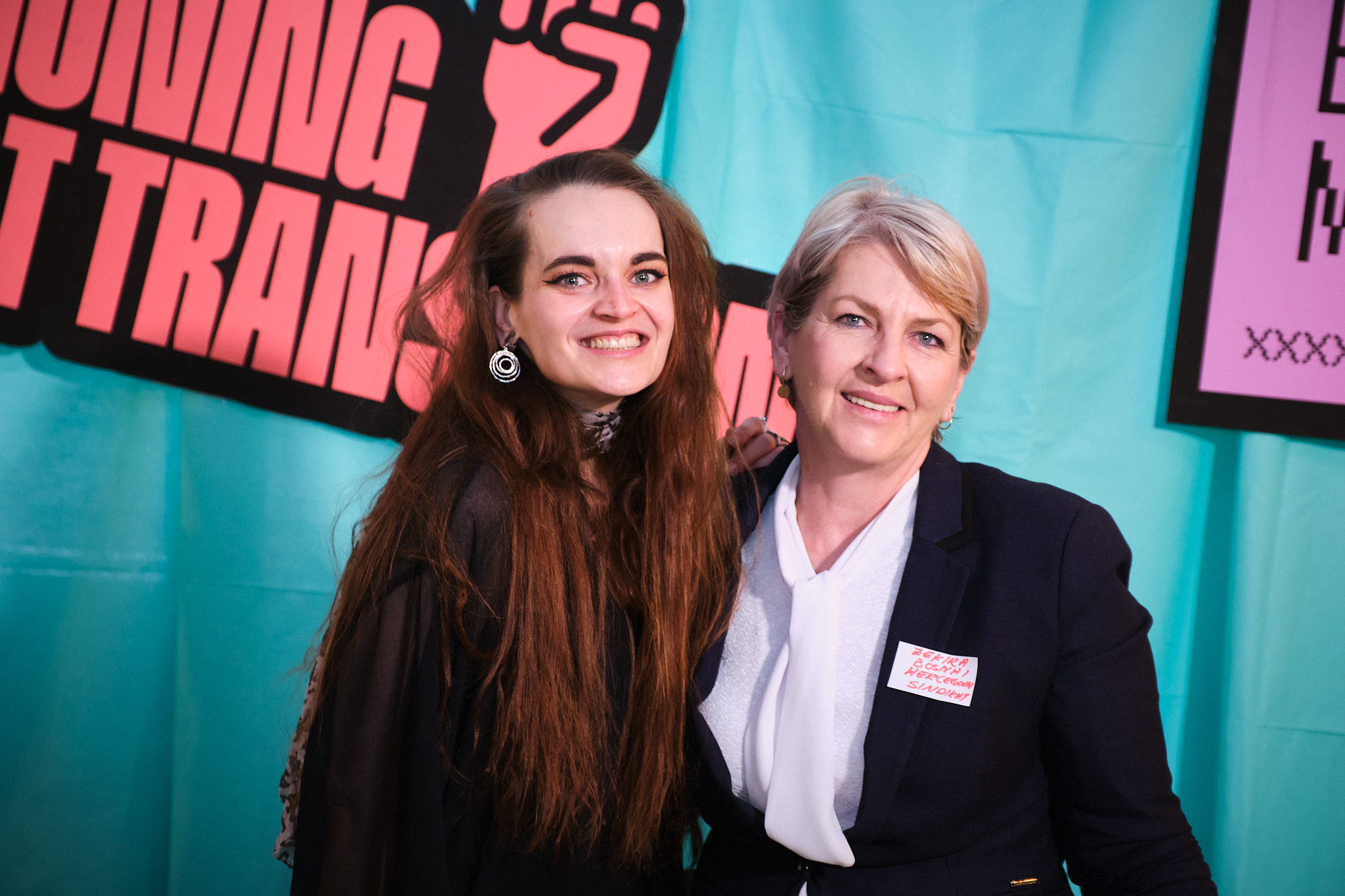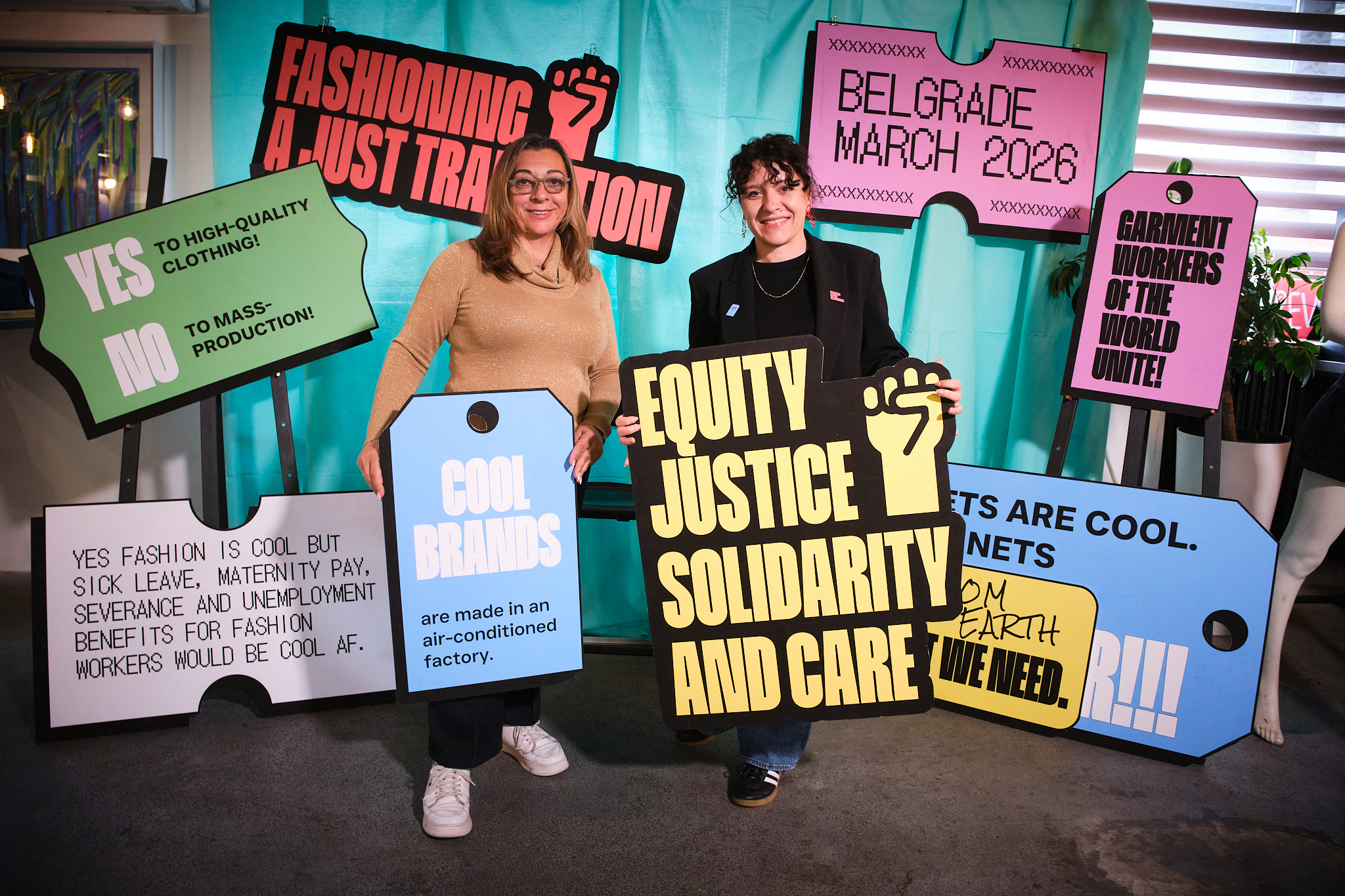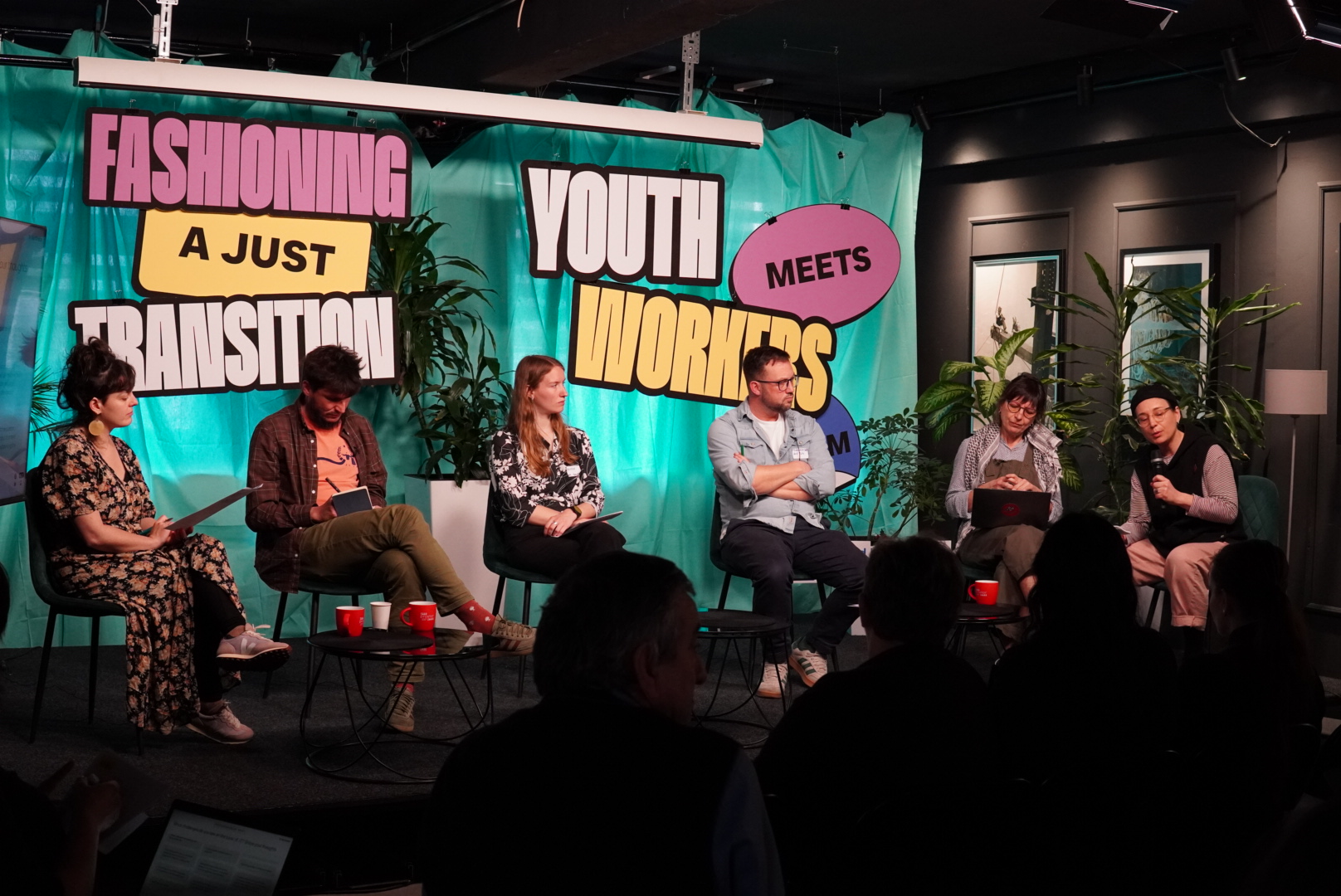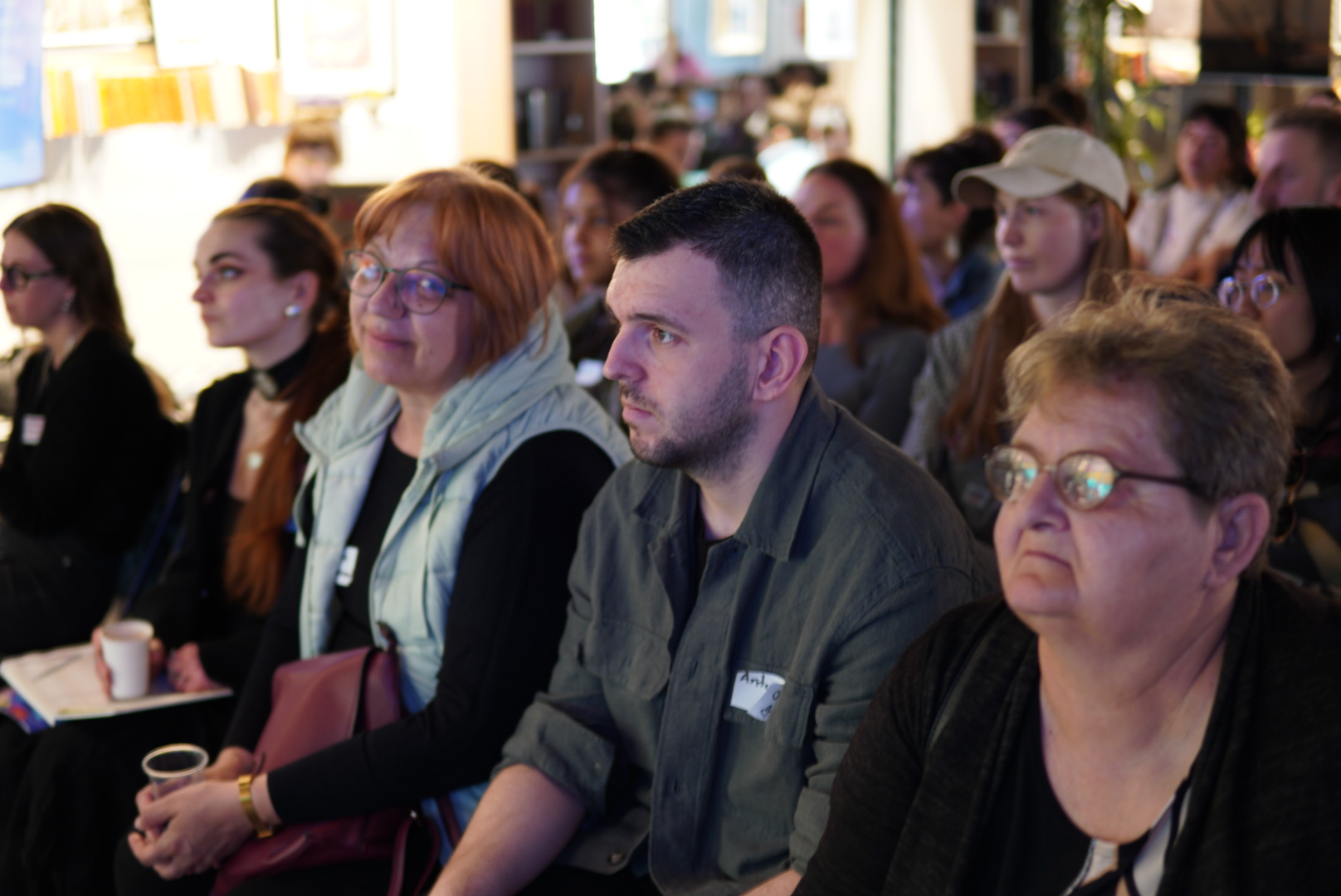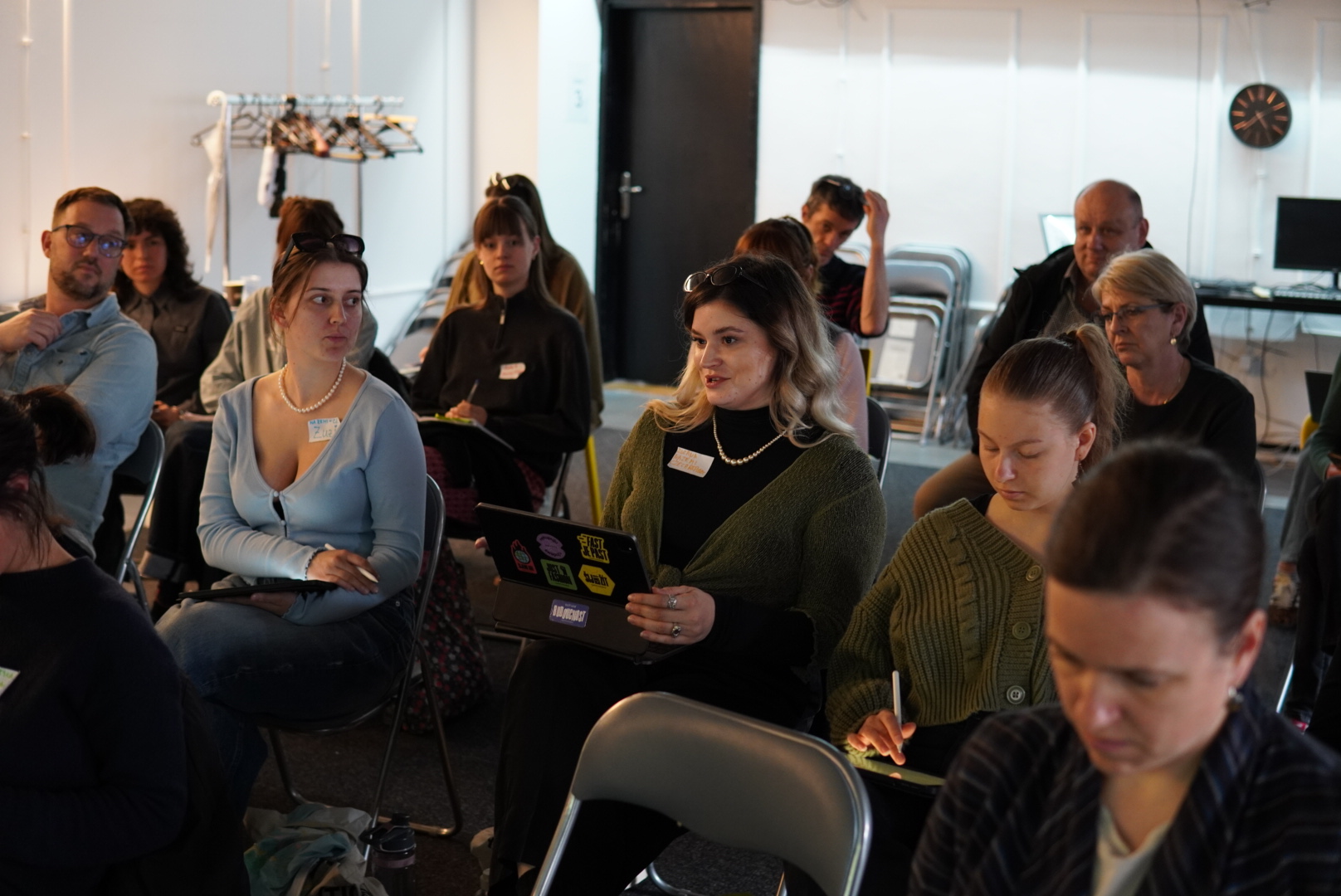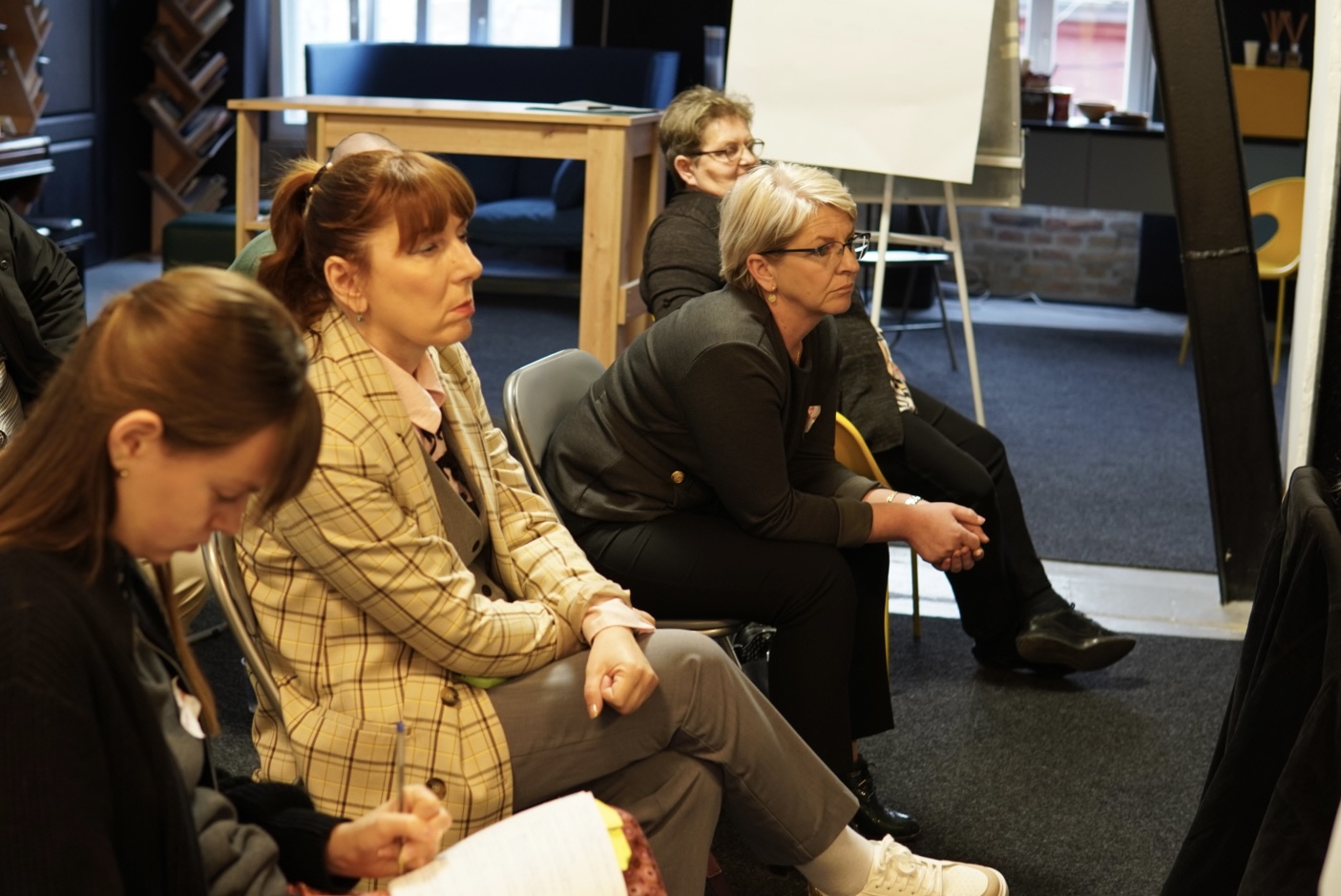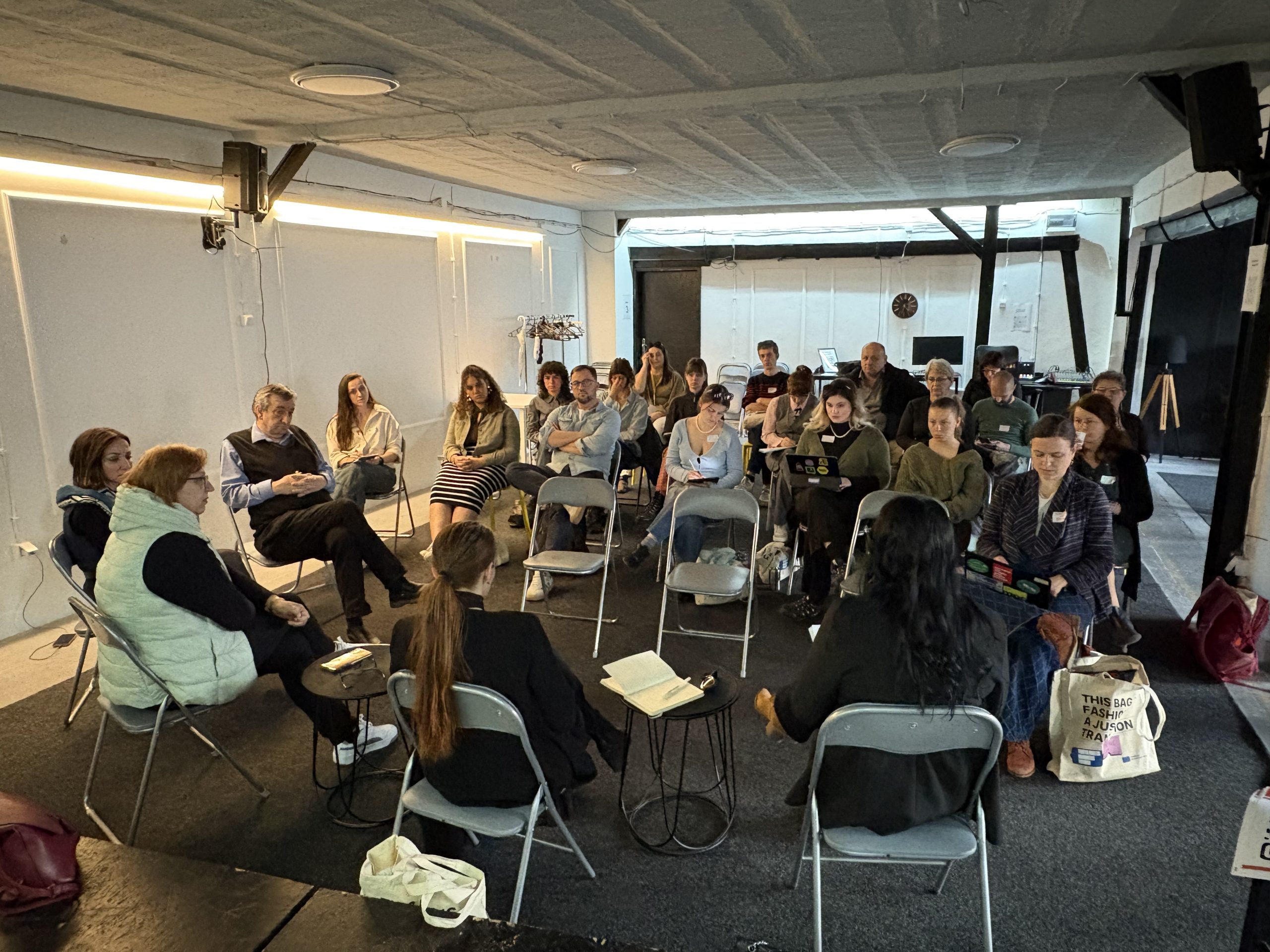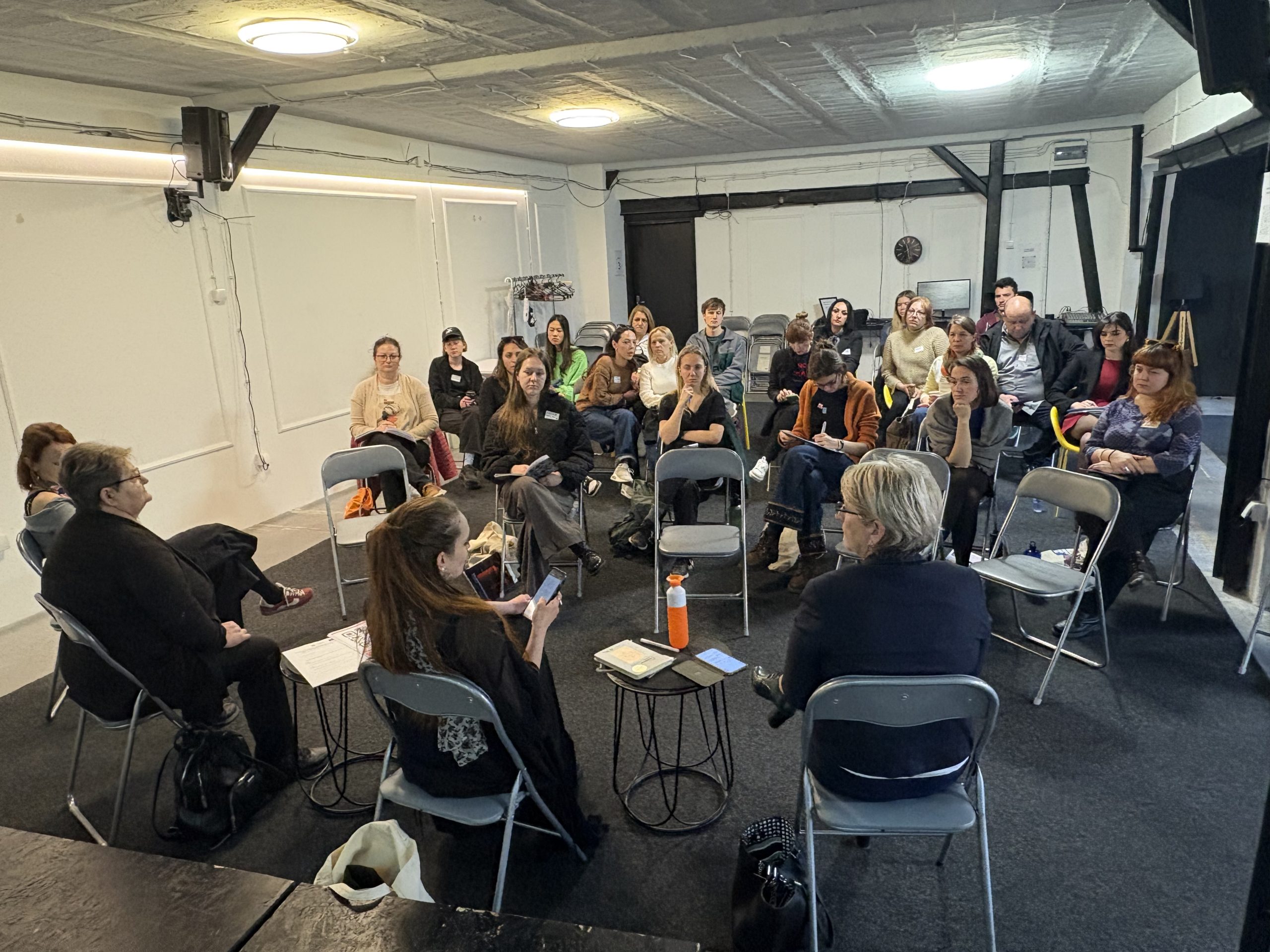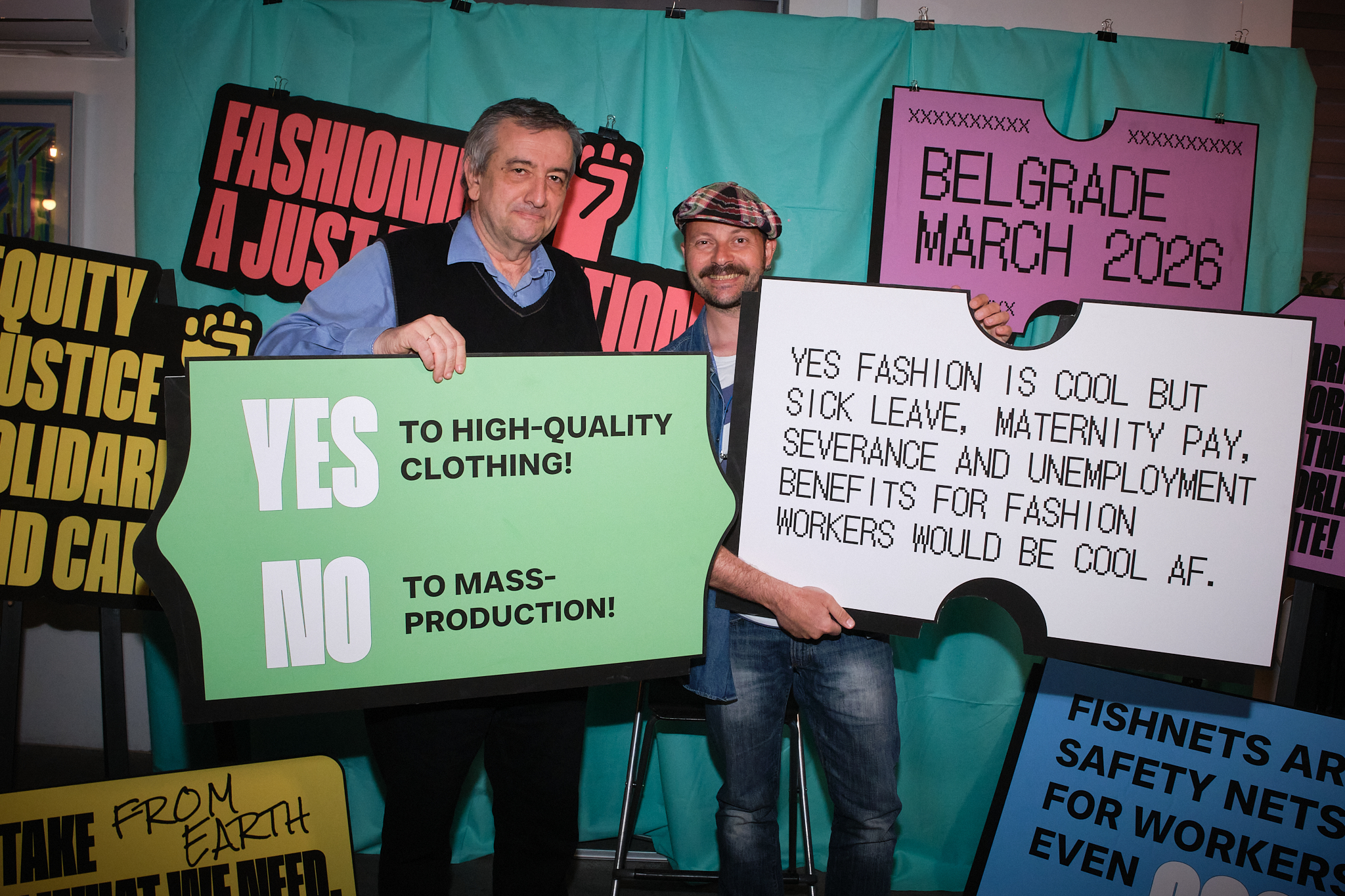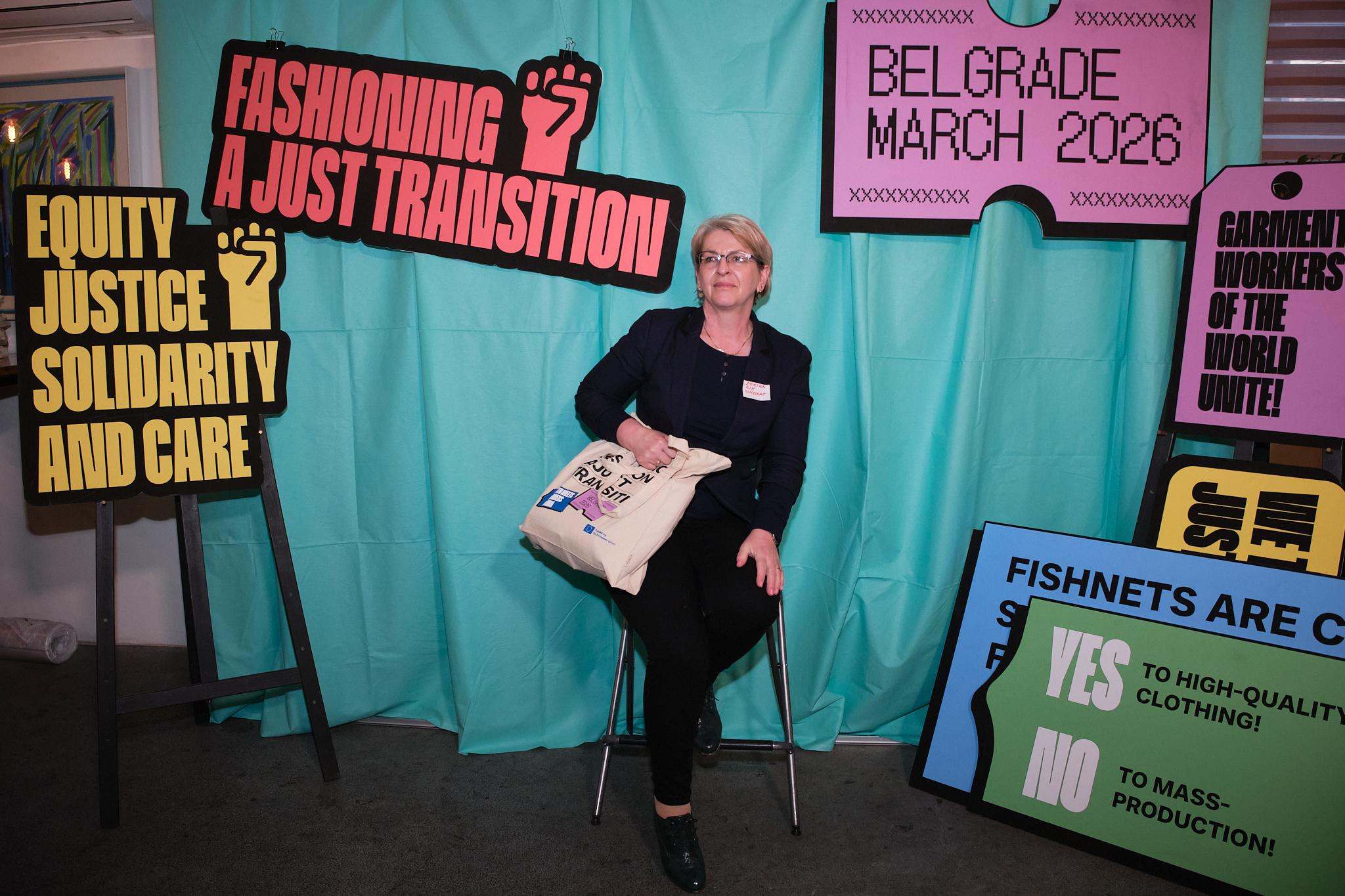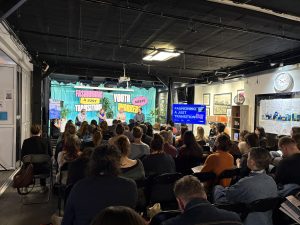
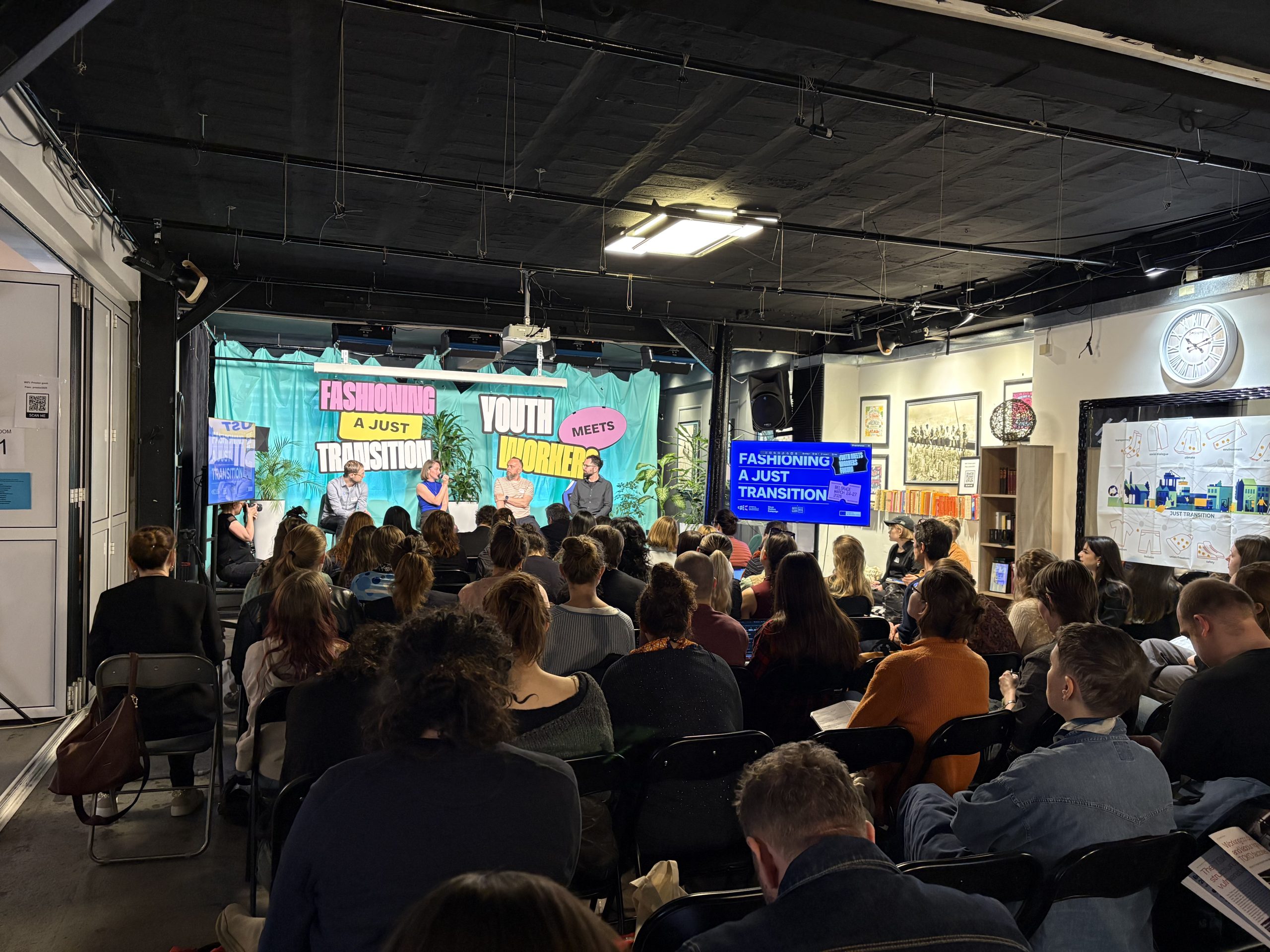
The “Youth Meets Workers” forum gathered around a hundred participants from several countries, focusing on discussions about a just transition and the stories of textile workers—dealing with low wages, exhausting labor, and the struggle for fundamental rights.
Last week, from March 24 to 27, Novi sindikat participated in the international forum “Youth Meet Workers”. The forum was organized by the International Network of the Clean Clothes Campaign, i.e. its member organization from Serbia, the Center for Emancipation Policy (CPE).
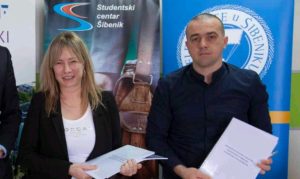
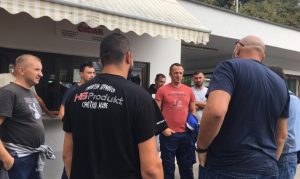
Alongside Novi sindikat, participants included members of the CCC Croatian-Bosnian coalition: the Regional Industrial Union (RIS) from Croatia, the Helsinki Citizens’ Assembly from Banja Luka, the Association for Social, Creative, and Cultural Development Zora from Zenica, as well as textile workers Mirjana Obradović and Robertina Alavanić from the Croatian factory Orljava, Zekira Nadžak, a former worker at the Sarajevo factory Alpina and current president of the Textile, Leather, and Footwear Union of FBiH, and Slavica Stojanović, a worker at the Sportek factory in Kotor Varoš.
The forum brought together around a hundred representatives from trade unions, civil society organizations, activists, youth, and workers from numerous countries with the goal of collectively reflecting on a just transition in the textile industry and strengthening international cooperation and solidarity.
The program, held at the Miljenko Dereta Space, included a series of plenary presentations and panel discussions on the concept of just transition, the roles of various stakeholders, and the importance of initiatives like the Clean Clothes Campaign. Special emphasis was placed on the development and dissemination of the Manifesto on Just Transition, as well as strategies for action within the European political context.
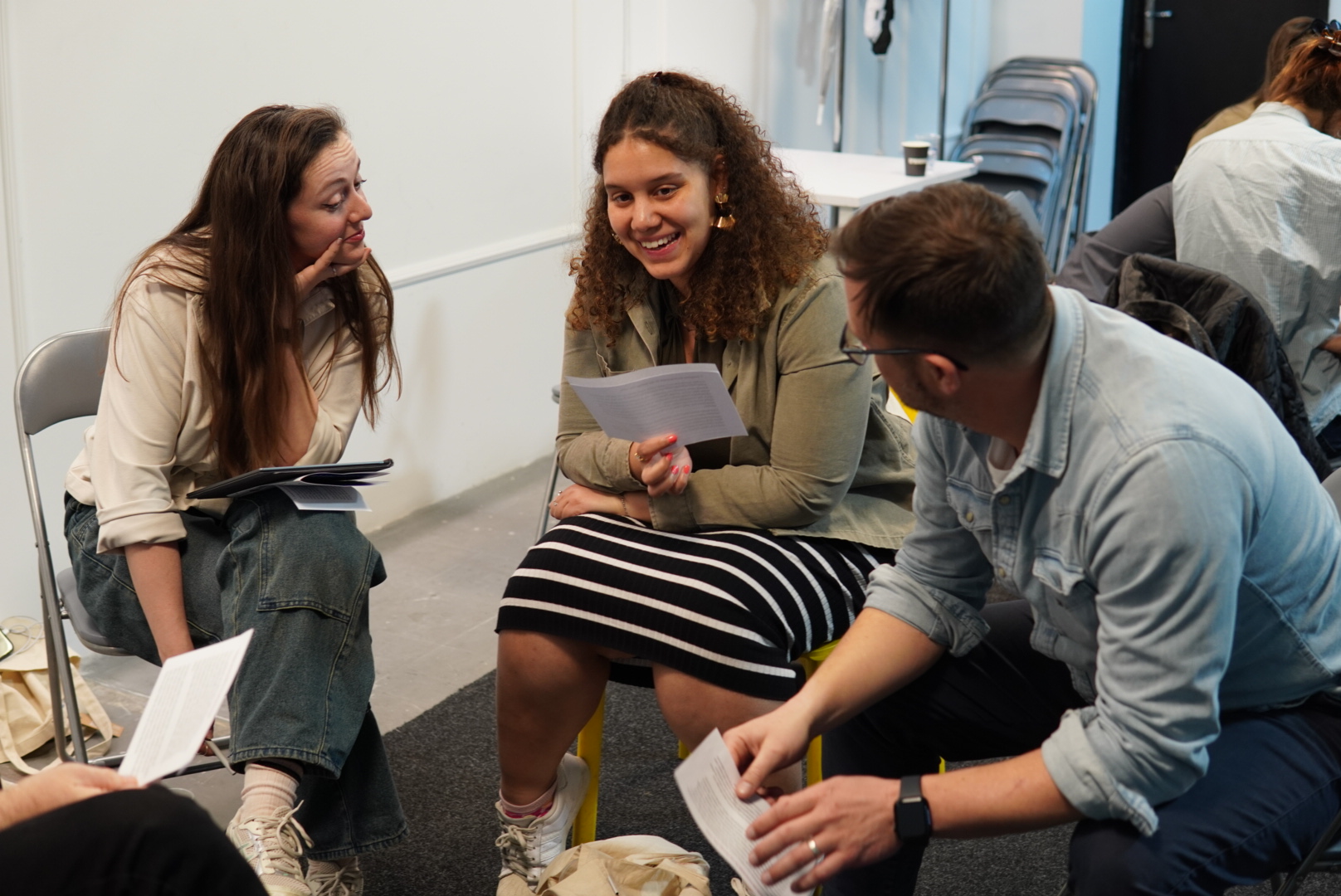
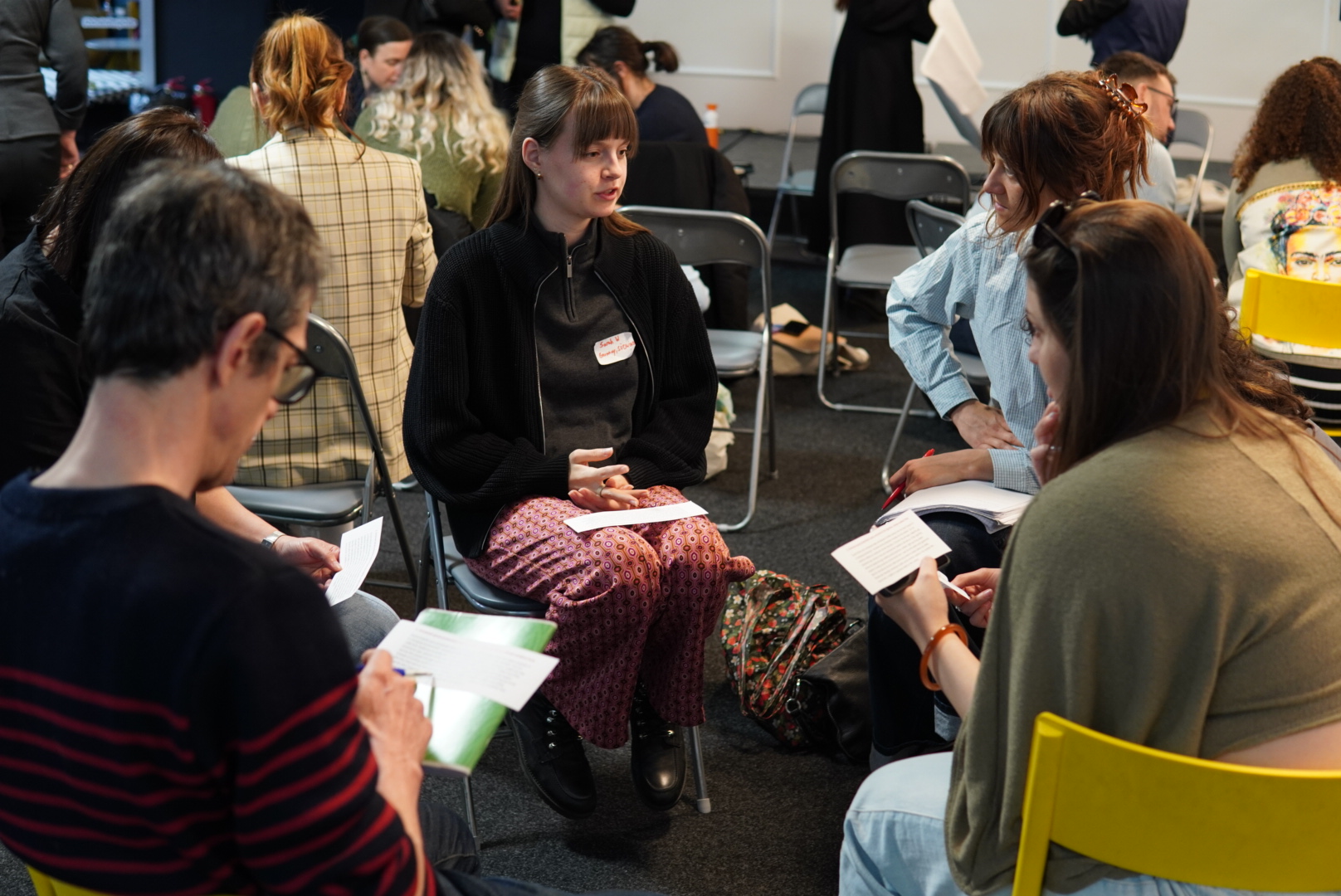
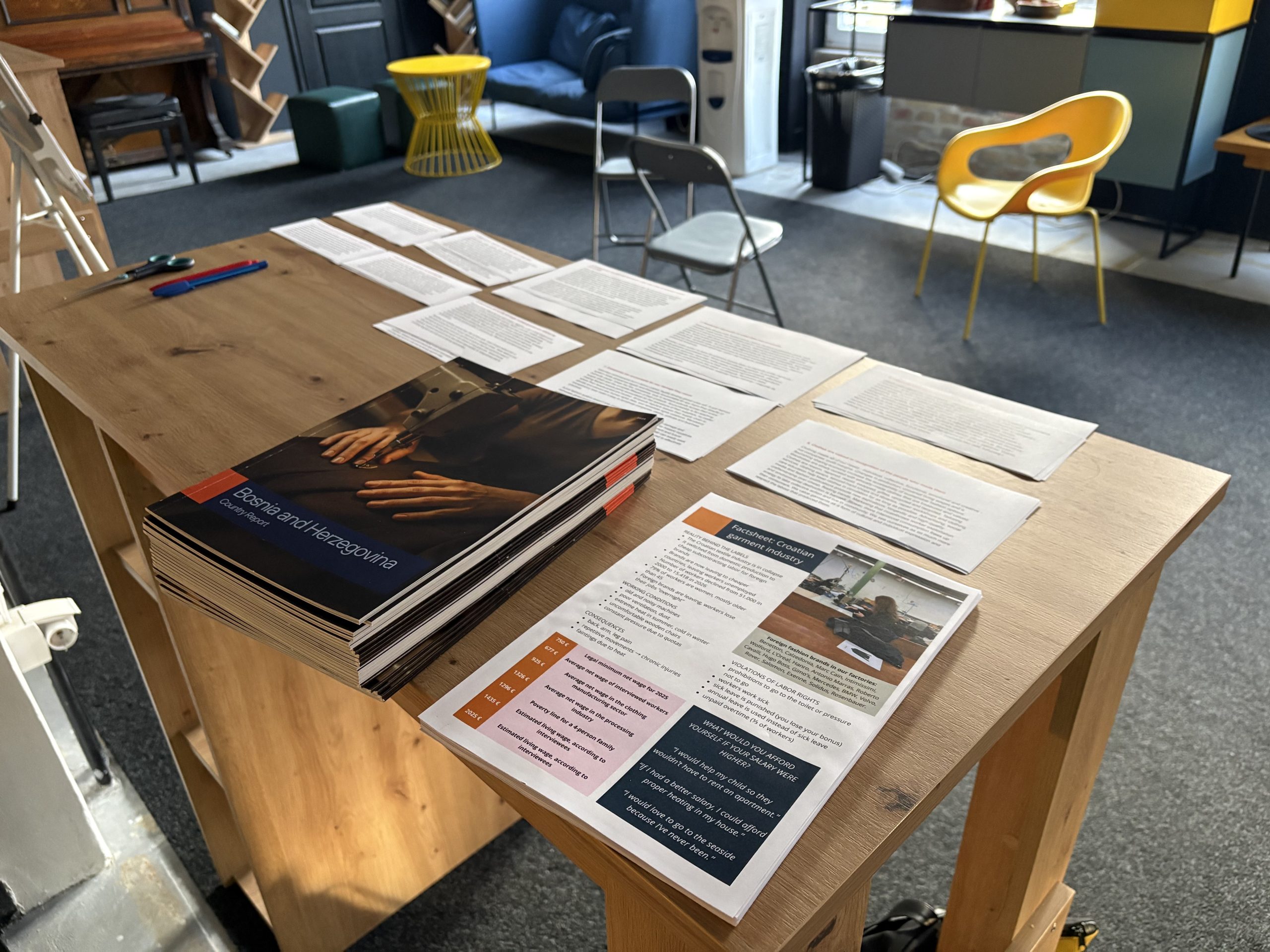
Through interactive workshops and parallel sessions, participants had the opportunity to explore topics such as labor rights in global supply chains and working conditions in the textile industry in greater depth. Questions of sustainability were also raised through concepts of reuse, recycling, and a fairer distribution of benefits for workers.
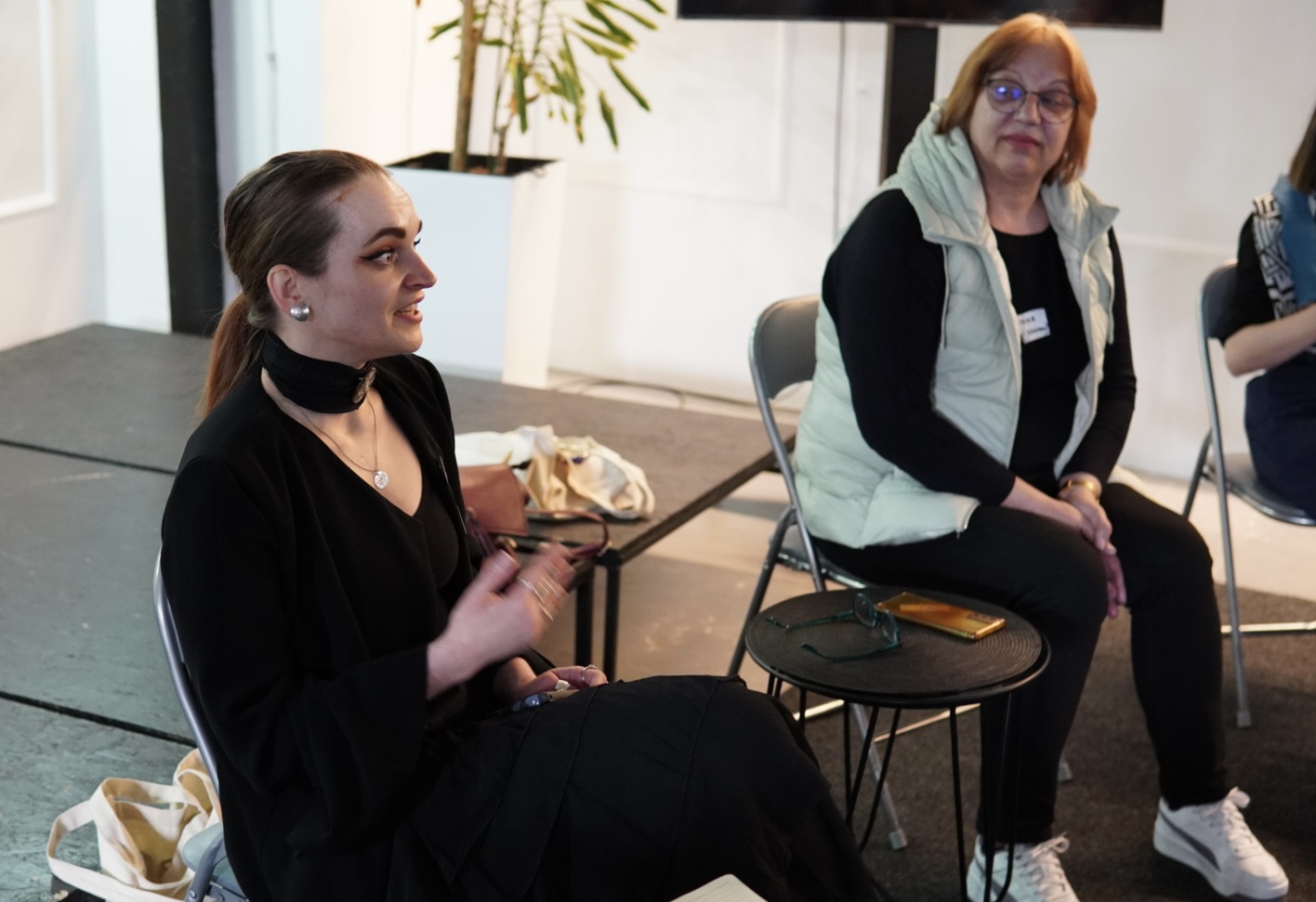
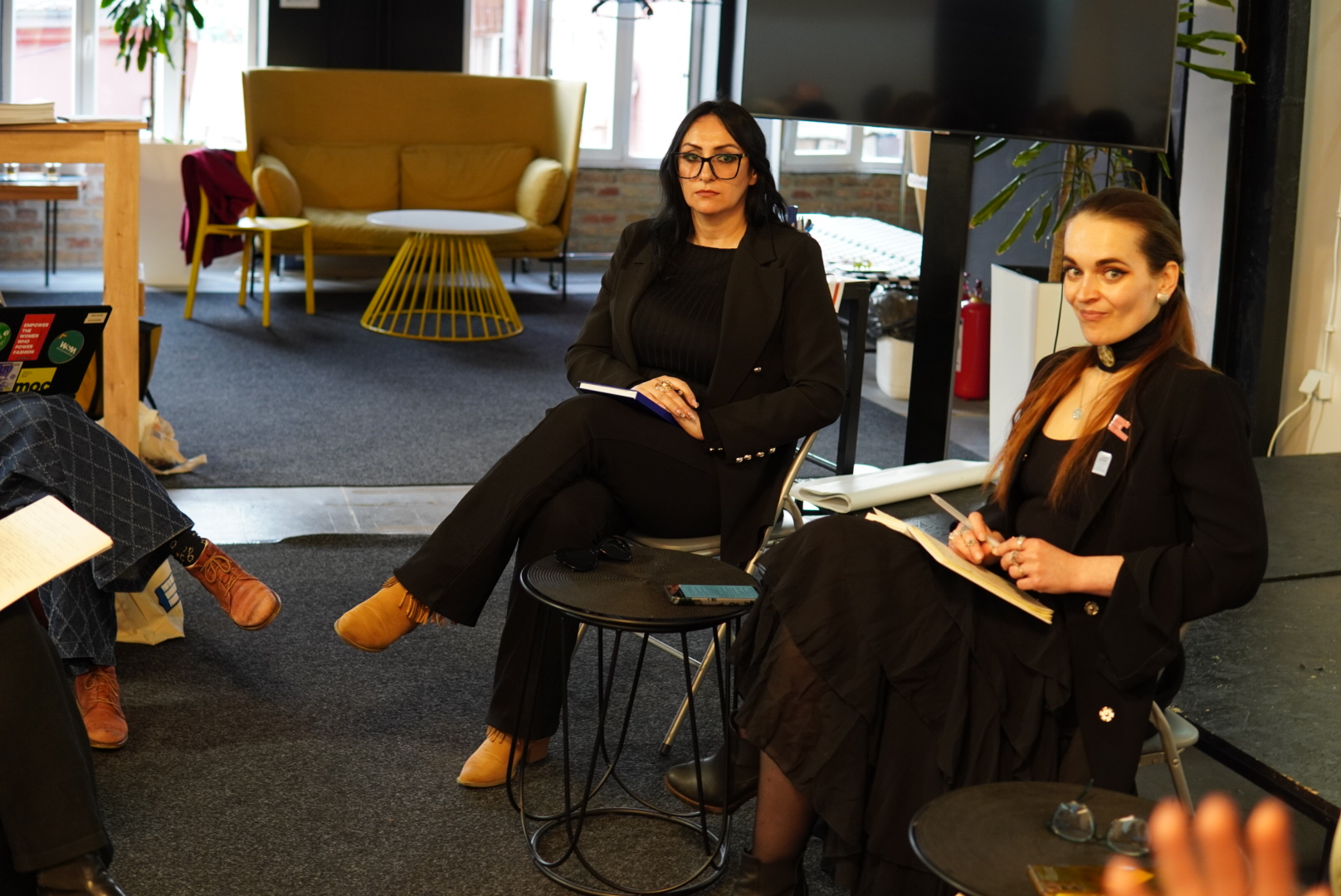
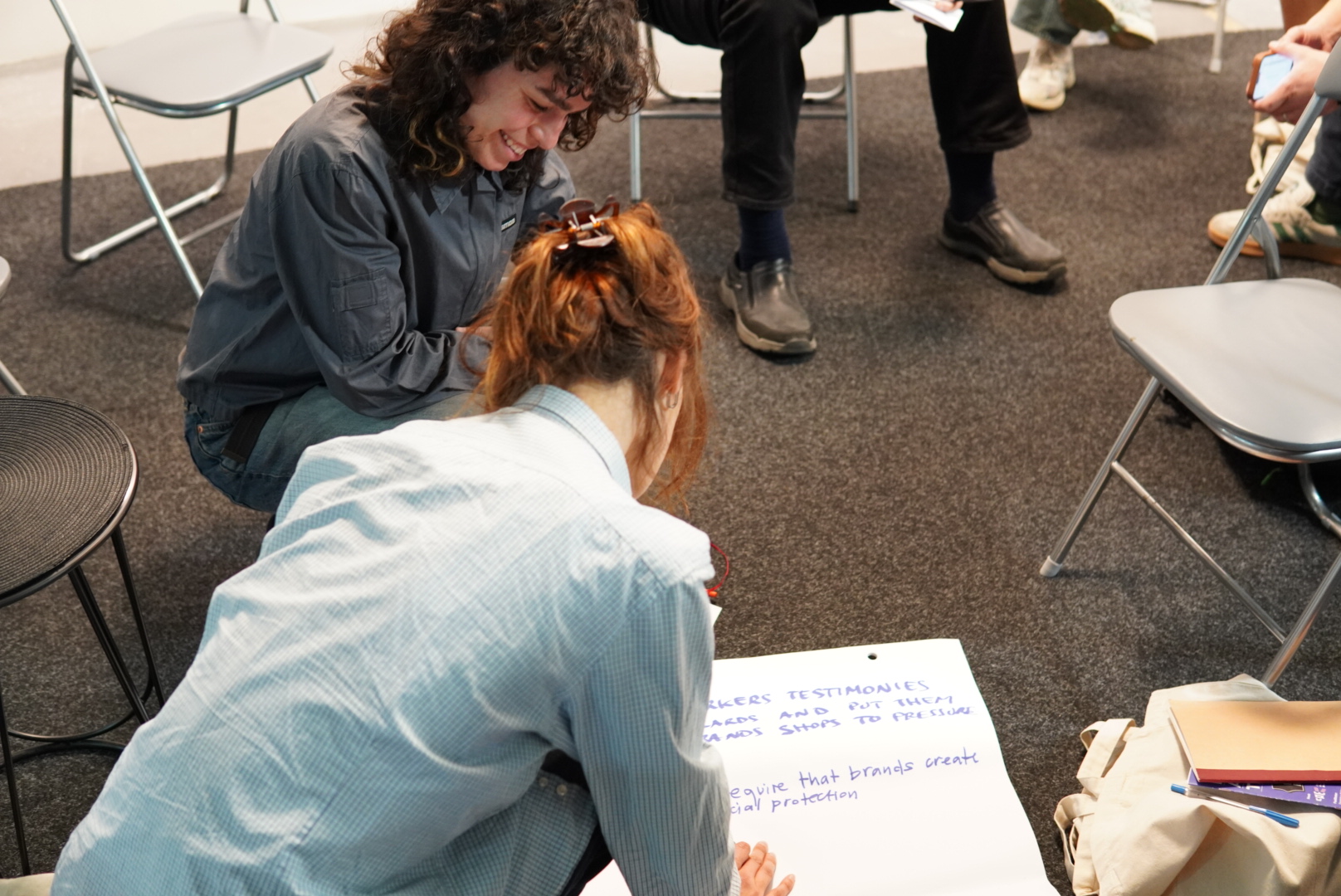
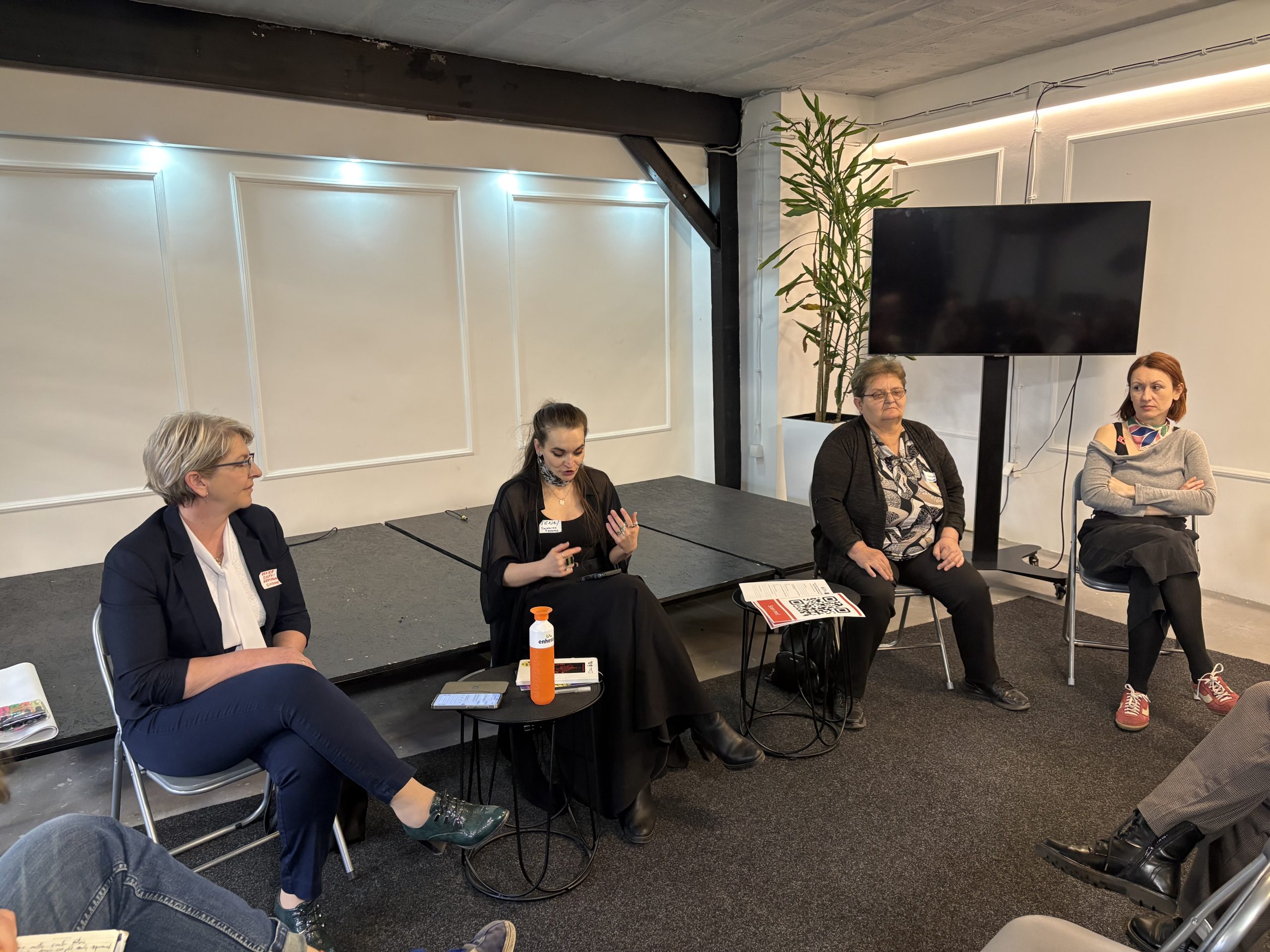
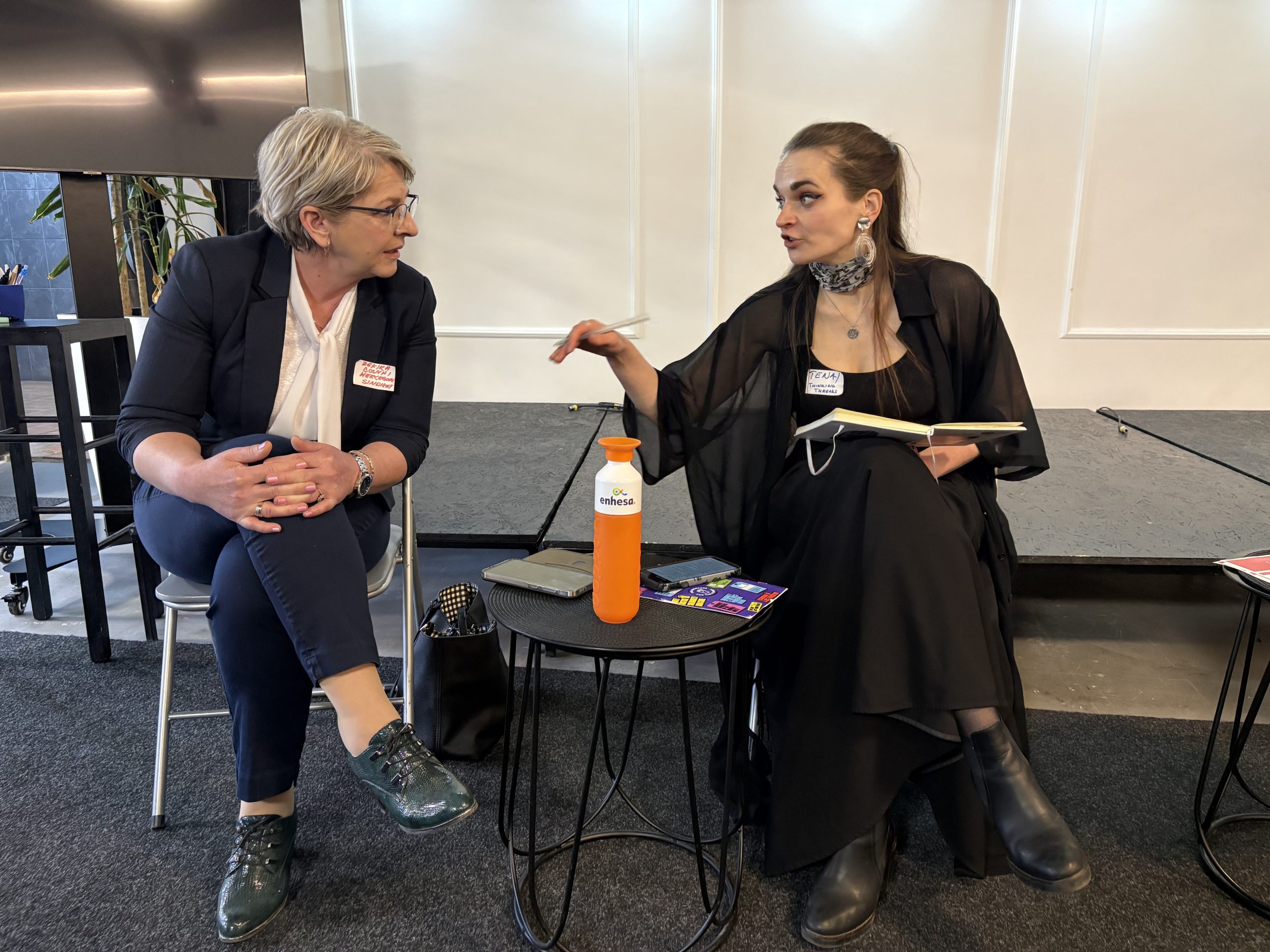
Since one of the forum’s goals was to connect youth with workers, Novi sindikat organized two workshops in which we guided participants through a day in the life of textile workers and highlighted the most common violations of labor rights.
“I don’t want luxury. I just want to be able to pay for everything on time, buy decent shoes for children and maybe take them somewhere for a few days once a year. For that, our salaries should be at least twice as high”, said the textile workers who were highlighted at the beginning of the workshop by fashion activist Tena Lavrenčić, introducing participants to the reality of working in the clothing industry.
As she emphasized, the experiences of workers in the region show that behind the globally profitable fashion industry lies a daily reality marked by insecurity, low wages, and exhausting working conditions. Workers are often forced to work overtime, even though this work is frequently unpaid, as refusing can mean risking their jobs. Many also face physical exhaustion that hinders a quality family life, and an additional burden is the fact that entire families are often employed in the same factories, making it harder to speak out publicly and fight for rights.
Lavrenčić also pointed out the deep disparity between fashion brand owners and workers. Although it is an extremely profitable industry, in countries like Croatia, Serbia, and Bosnia and Herzegovina, production is based on a cheap but skilled workforce, often dependent on foreign clients who pay minimal rates for garment manufacturing.
As an example, she cited the closures of large factories and workers’ struggles for unpaid wages, such as the struggle of the Orljava workers, emphasizing the importance of union organizing. Such examples show that collective action can lead to concrete changes.
The introductory part was followed by a conversation with the workers about their daily lives and work.
Work in the textile industry for many women in the region begins before dawn—and does not end upon leaving the factory. “Waking up at 5, children, chores, then to work… and you never know when you’ll be home,” describes Robertina Alavanić from Požega, with 35 years of service at the Orljava factory. Zekira Nadžak shares a similar experience: “Waking up is at 5, you leave the house at 6, then city transport, then another transport to the factory. Some colleagues used three types of transport, waking up at 4 AM. Plus, it’s expected to arrive 10 minutes early.”
Once the working day begins, eight hours of work follow under the pressure of norms, supervision and uncertain earnings. Workers know in advance that they have “480 minutes” of work under cameras. The breaks are short, the return for the machine is expected even before the official completion, and mistakes are expensive they are often corrected even after working hours, free of charge.
Working conditions make everyday life even more difficult: heat from machines, stuffy air, dust and chemicals. “In the summer, you are warmed by machines, there is no air,” Robertina recalls. Although sick leave formally exists, returning to work often means loss of position or mistrust of the employer, which is why many workers avoid using their rights.
Despite everything, overtime and working on Saturdays have been the rule for years. Today, some rights are won by trade union struggle, but the price of that is sometimes the departure of brands to even cheaper countries.
Salaries, however, remain a key problem. The minimum is not enough for basic life, so workers are forced to look for additional sources of income. “After work – garden, sale, house… and so every day,” says Robertina, while Zekira adds: “For a family of four, you need 1,700 euros, and we have a salary of about 500.”
The stories of Roberta and Zekira complement the experiences of Slavica Stojanović and Mirjana Obradović, which additionally depict the everyday life of work – life on the edge of exhaustion, in which the working day does not end with leaving the factory.
“You can’t make a living from salary,” says Slavica, who, in addition to her work, makes jewelry and make-up in order to survive. Mirjana describes a similar dynamic: after the shift, there are obligations at home – “marva, bašća, child” – so the working day extends far beyond the formal eight hours.
The working conditions they describe further deepen the industry image: stuffy drives, noise, dust and chemicals, lack of light and space. “We are literally like in a box, man sees neither the sun nor the moon,” says Slavica, while Mirjana describes the overcrowded halls in which the workers are “stamped” next to each other. The consequences are long-term – from vision problems to chronic fatigue.
Through all these stories, a common thread runs through – the necessity of additional work in order to survive, but also an increasing awareness of the importance of togetherness. Experiences of struggle have shown that changes come only through collective action. “We are stronger together,” Mirjana points out, while Slavica concludes: “It is important that we unite and stick together.”
Photos: CPE and Novi sindikat