The future of deminers in Croatia is at a turning point as the country prepares to be completely mine-free by March 2026. Thirty years after the war, Croatia is set to be cleared of landmines by the end of this year. But a critical question remains: what will happen to the deminers who, after years of hazardous work, still do not meet the requirements for retirement? We spoke with Mario Iveković, President of Novi sindikat, who has been working to protect the rights of demining technicians since 2008.
Author: Nicole Corritore
How long has Novi sindikat supported workers in the demining sector, and what does this support involve?
Novi sindikat has been organizing workers in the demining sector since 2008. That year, workers at Mungos—the only state-owned demining company in Croatia organized a strike, and we provided them with logistical support.
The workers appreciated our approach, and following the successful conclusion of the strike, they decided to join our union. Soon after, employees from private companies began to approach us as well. At the time, there were about 40 private firms and a total of roughly 600 deminers across Croatia.
In those days, the challenges faced by pyrotechnicians were much more severe than they are today. Salaries were frequently late, and deminers were often pressured to work faster, which directly jeopardized their safety.
For more information
According to the report “Thirty Years Later: Croatia Without Mines,”, there are currently 39 demining companies in Croatia with 333 deminers are in active service. Since 1996, landmines scattered during the 1992–1995 war have caused 612 casualties (408 of which were fatal). This tragic number includes 136 pyrotechnicians (41 killed and 95 injured).
In the past, the challenges faced by pyrotechnicians were far more severe than they are today. Salaries were frequently delayed, and deminers were pressured to work faster, directly jeopardizing their safety.
All this was a consequence of the bad decision of the government of the Republic of Croatia, which was made at the end of the nineties of the last century, which was the proclamation of demining as a market activity.
On the ‘market’ of demining, a competition developed among employers who can offer a lower demining price, so in some competitions there were so low demining prices that even mowing grass per square meter could be charged more expensive than demining.
In these circumstances, we managed to unite pyrotechnicians in 2013. years to organize a strike of the entire activity, which lasted ten days and led to the conclusion of the the collective bargaining agreement for the demining activity, which we signed with the Croatian Association of demining employers.
Since then, the working conditions have been continuously improved, and the government of the Republic of Croatia has realized that it must not spare on human lives, so the demining price has been corrected to a level that allows normal demining to take place while minimizing the risk.
According to the findings of the CROSS II project report, Croatia is expected to be completely mine-free by March 2026. But how many workers will retire once the job is done, and what will happen to the younger pyrotechnicians?
A large number of retired pyrotechnicians are active today. Namely, the law on Pension Insurance allows pensioners, under different conditions, a partial return to the world of work.
This is also a consequence of the fact that new deminers have not been educated in recent years, because it was known that there would be no more work. This mitigates the consequences of the imminent cessation of operations of many companies.
However, there are still a number of younger deminers who will not be eligible for retirement. Our estimate is that there will be at least 150. We firmly believe the Government of the Republic of Croatia must take responsibility for these employees. We see clear opportunities for their transition into the Civil Protection System, or other sectors within the Ministry of the Interior and the Ministry of Defence. This is our final mission in this sector. We have requested several meetings on this topic and hope to find an understanding soon.

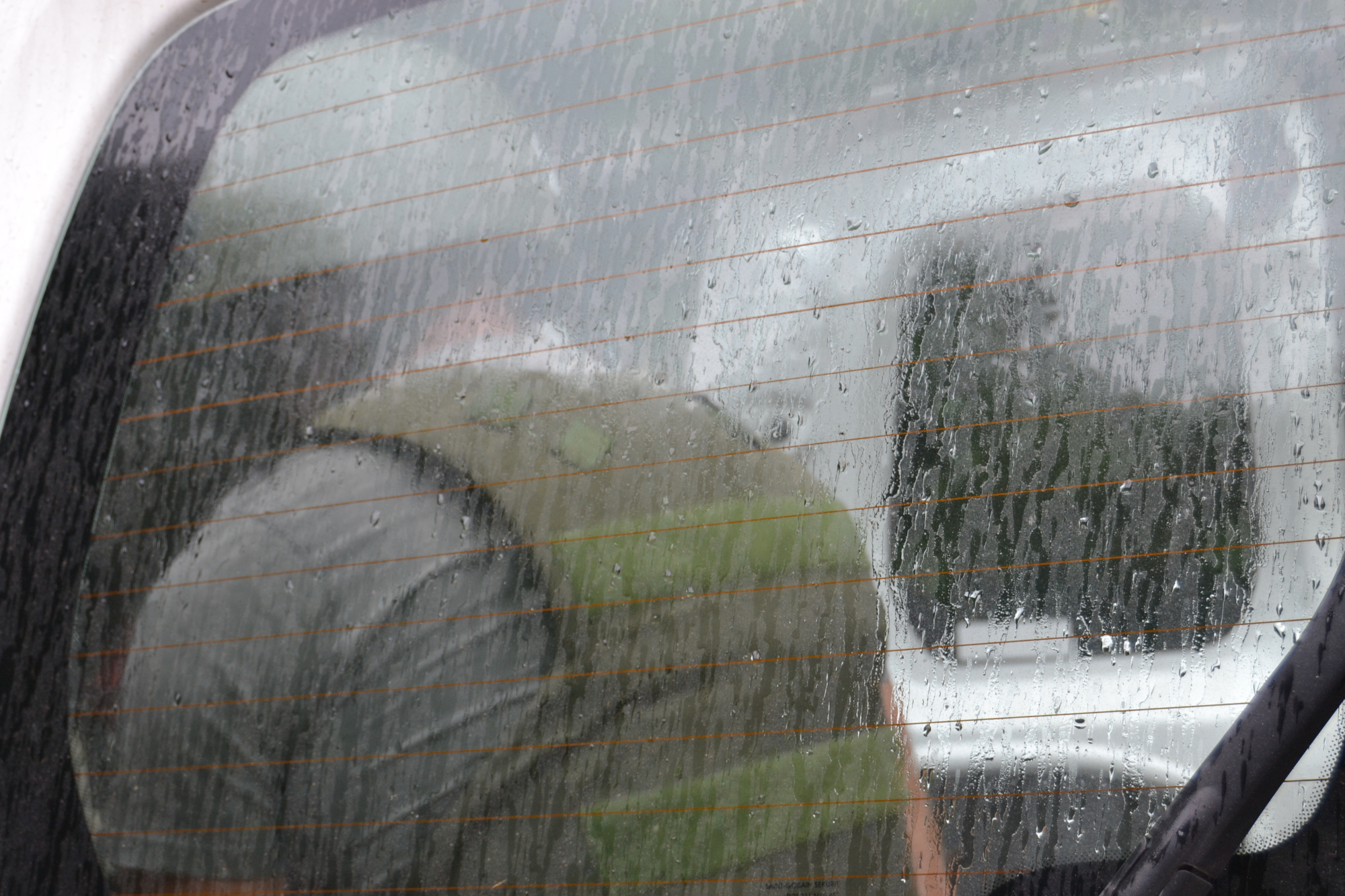
Pyrotechnician near Otočac, Croatia, September 2025. – photo by Silvia Maraone
It is a difficult and dangerous job. Can you tell us how “accelerated service” (benefited seniority) is calculated and how many years are required for retirement?
A special law regulates the right of demining technicians to a full old-age pension if they meet two conditions: 8 years of work in the demining activity and 25 years of total work experience.
Is there a national collective agreement that applies to all deminers? What is the average salary in the sector?
A sector-wide collective bargaining agreement does not exist today. The employers are divided into two separate associations; while we reached an accord with one about 7–8 years ago, the ‘older’ association remained closed to negotiations.
However, thanks to the improved standing of the entire sector achieved through numerous protests we organized working conditions and wages have been adjusted to a level that deminers currently find acceptable. This is evidenced by the lack of new industrial action initiatives in recent years.
A defining moment was the signing of the landmark 2016 collective agreement for Mungos, which followed a successful strike. This agreement set the standard for workers’ rights across private companies as well.
The gross salary established by that agreement was approximately EUR 1,700. However, due to inflation and a growing shortage of skilled deminers, wages have since been adjusted and now mostly exceed EUR 2,000 gross. Additionally, workers receive field allowances, which significantly boost the net income of these technicians
Is there financial support for family members in the event of a workplace fatality?
The financial support paid directly by companies is not significant. However, employers are legally obligated to insure their workers, and family members generally rely on these insurance payouts. Despite this, we frequently deal with lawsuits filed by families seeking additional compensation from employers.
Although we are nearing the end of the demining process, we have yet to achieve a satisfactory level of assistance for injured deminers. While there have been improvements specifically in aligning the rights of injured pyrotechnicians with those of Homeland War veterans injured workers still face exhausting and numerous bureaucratic hurdles.”
Do pyrotechnicians who are still in service have access to psychological support, social services, or other healthcare specifically designed for this purpose?
Unfortunately, in Croatia, systemic support has never existed and this is one of the great failures that should not be allowed by countries, such as Bosnia and Herzegovina and Ukraine, which will go through a similar situation for a long time.
The interview was originally published the OBCT online portal 30. September 2025 It is also available at English i Italian language.
Cover photo: Silvia Maraone