“This product has fallen in love with you, give it a chance!”, “Catch products on sale up to as much as 50 percent!”, “Get ready for sunny summer days with a 15 percent discount on summer styles” – every day we are attracted by such and similar ads on various clothing sales apps or fashion brand newsletters to which we subscribe to catch the goods on sale.
Because of such ads and constant, big sales like Black Friday, it seems to us that the price of clothes can be lowered indefinitely and that it can and should always be – cheaper. At the same time, we do not think about the production of these clothes, nor do we wonder how it is possible that a piece of clothing that has to go a long way from the raw material for fabrics to the warehouse of stores costs ten euros or less.
The production of clothing requires a lot of resources – material, electricity, paints, machinery, transport, human labor. If we pay for clothes cheaply, the real question is who pays the actual price of the pieces we buy and how fashion brands make money by selling the cheap goods they market to us.
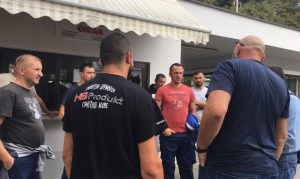
The background of production is rough-the actual price of clothing is most often paid by the workers who make it, barely surviving the miserable wages, with their hard work of ten, 12, and even more hours a day. They pay for it with their health and sometimes with their lives. Many factories are located in countries where the minimum wage is barely a fifth of the decent wage, that is, the wage that would allow workers to live with dignity.
The real cost of clothing is also paid by the environment, because the damage from the production of a huge amount of goods that eventually end up in waste and the use of various toxic chemicals is devastating to both US and the planet.
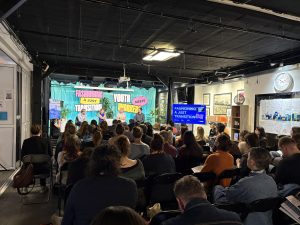
The price of fast fashion is very high. At the event organized by Novi sindikat and Tena Lavrenčić (Thinking Threads) in coffee shop Filteraj (Vlaška 10, Zagreb), we will bring closer to the audience the damage done by the fast fashion industry. We are preparing a mini exhibition through which we will illustrate the impact of difficult working conditions in the textile industry on women workers, an interactive quiz on textile materials and the production process, and a panel where we will address the main problems of the fast fashion industry.
Come and get a new perspective for a better future and an alternative to today’s fashion industry.
See you in filter 12. September at 6pm!
___________________________________________________________________
Novi sindikat organizes workers from all industrial sectors and focuses on direct engagement with its members in the field. It fights for workers’ rights through collective bargaining and grassroots actions, such as protests, when necessary. The union is a member of the Clean Clothes Campaign, an international network fighting for the rights of textile workers, and participates in numerous campaigns—one of the most successful being the fight for severance payments for the workers of the Orljava textile factory.
Tena Lavrenčić is a communications specialist and ethical fashion advocate who lives and works in Brussels. Combining her background in Anthropology with her passion for ethics and sustainability, she launched Thinking Threads in 2020. Since then, she has collaborated with Fashion Revolution, Fair Trade, and many ethical brands to challenge mainstream ideas about clothing, style, ethics, and sustainability. She regularly writes for online publications and organizes events on slow fashion, primarily in Belgium and Croatia.
Instagram: @thinking.threads, Linkedin: Tena Lavrencic
Filteraj is a small specialty coffee shop that offers fine coffee, house-made plant-based milks, snacks, and refreshing drinks. It also features a refill station for household and food essentials, such as olive oil, vinegar, and detergents. In addition to sustainability, Filteraj is focused on bringing optimism into the daily lives of its guests.